

Lavoir at Run Losquet (Île Grande)
Pleumeur-Bodou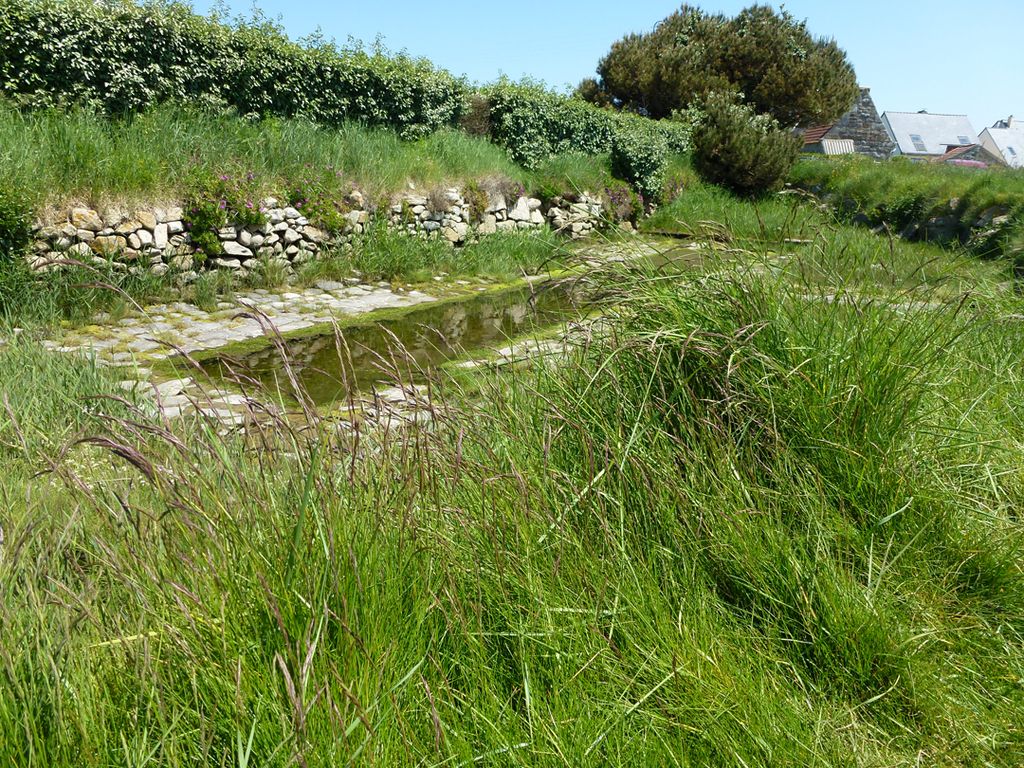
About
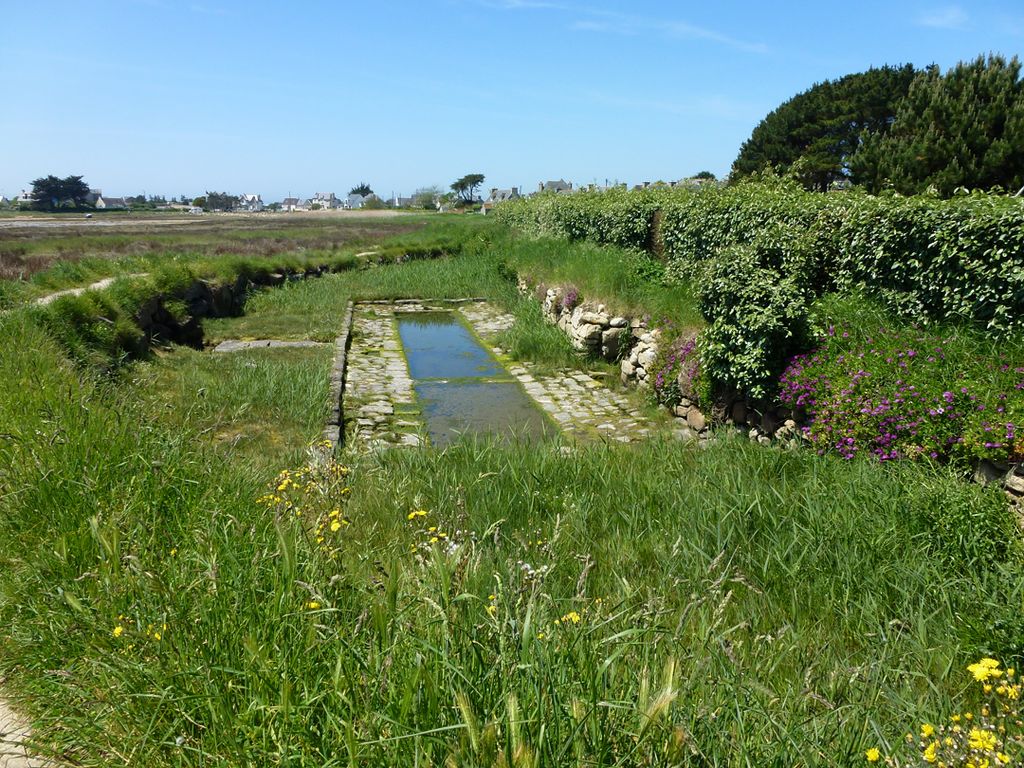
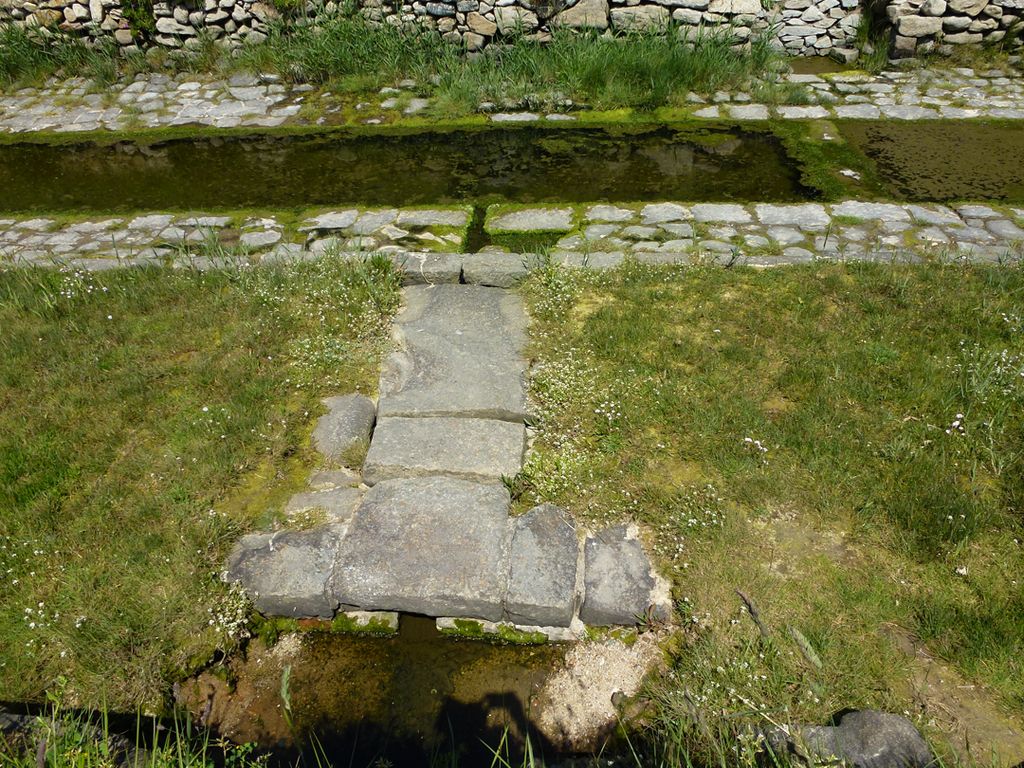
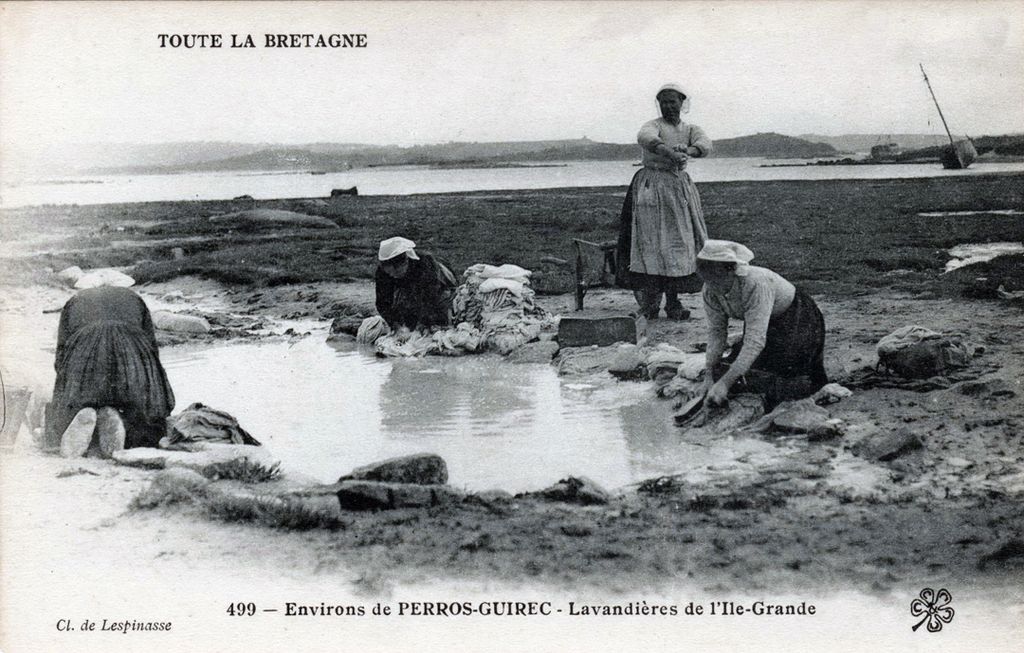
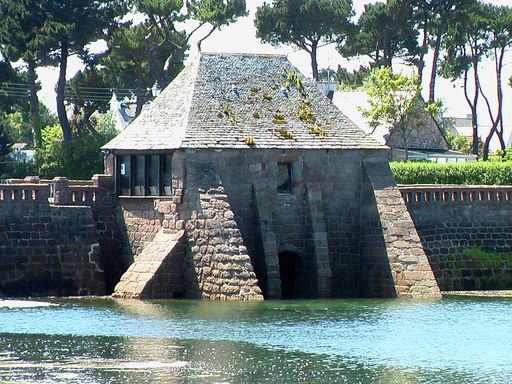
This large, traditional "lavoir" – an open-air pool or basin set aside for clothes to be washed – is located on Île Grande and dates from the nineteenth century. Two sources supply it and can be seen at the foot of the retaining wall. At spring tide, it was filled with seawater, but, very quickly, the salt water was replaced with freshwater and washing could resume. Opposite the wash-pool is the Toëno peninsula, whose contours have changed significantly as a result of quarry mining. You can see the traces of this activity at the old quarry sites.



Château de Costaérès, Tourony
Trégastel
From the beach at Tourony, you can admire a beautiful view of the Château de Costaérès. This imposing neo-medieval style villa dates from the end of the nineteenth century. It was built by a rich...  See
See

Traouïero Valley
Perros-Guirec / Trégastel
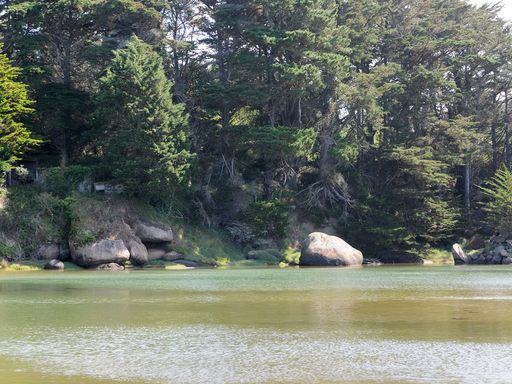
Exploring the magical countryside of the Traouïero Valley is one part of the trail not to be missed. A small stream runs through this deep, wooded valley, which is flecked with blocks of pink... See

Granite quarries
Perros-Guirec
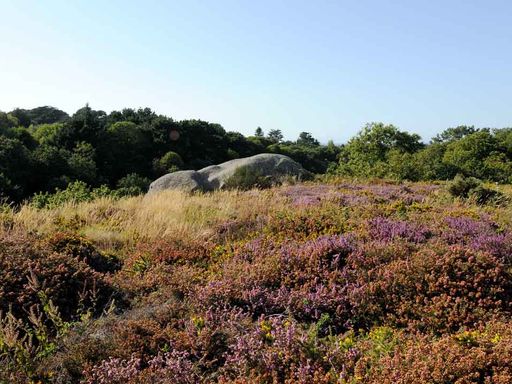
The pink stones of La Clarté have been used since the start of the twentieth century and are characterised by their excellent quality. On your visit to this quarry, find out about the means used to... See
Saint-Guirec beach
Perros-Guirec
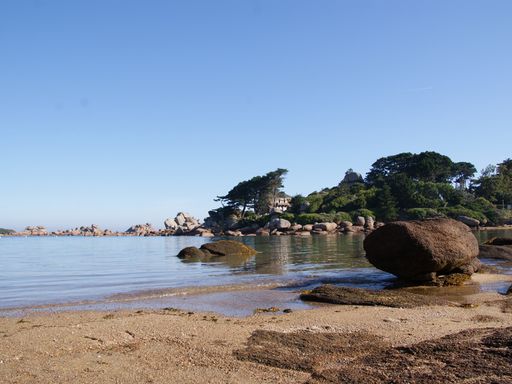
Opposite the small beach of white sand stands a granite oratory, built around the eleventh and twelfth centuries from an old Gaulish stele (carved stone slab). Capitals carved with animal designs... See