

Bringwiller and Kerlavos Bay
Trégastel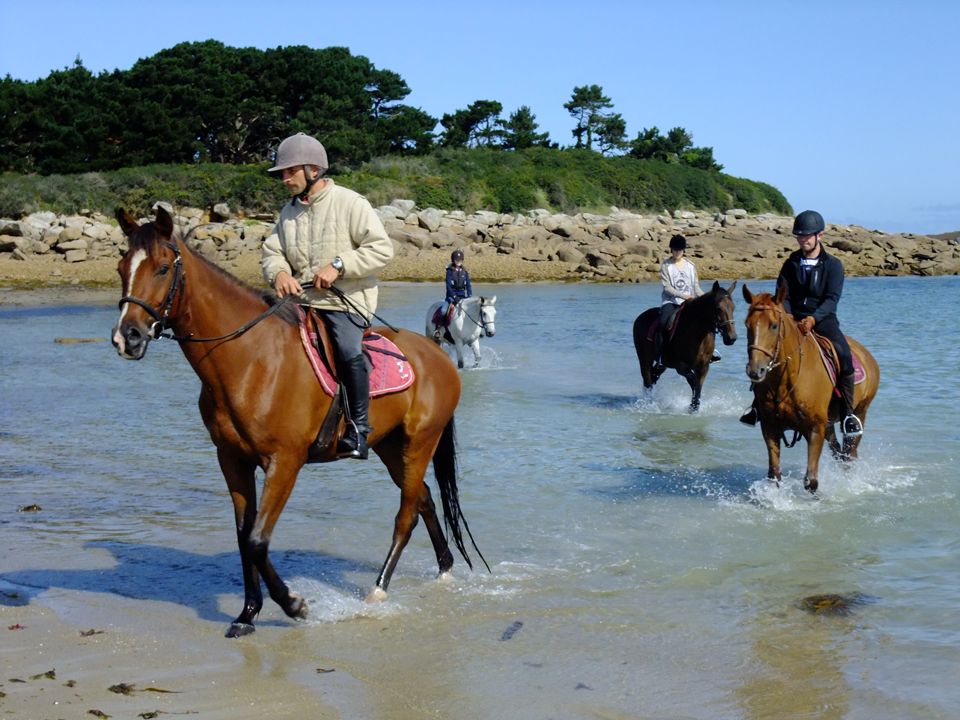
About
There is evidence of very early human religious and economic activity in this area. Its name, Brenn Guiler, meaning "hill of the Roman village", bears testament to the presence of the Romans in antiquity. Numerous footpaths enable you to explore the tidal marshland which replaced the old peaty freshwater marsh after the spit of land which used to seal off the cove was breached.


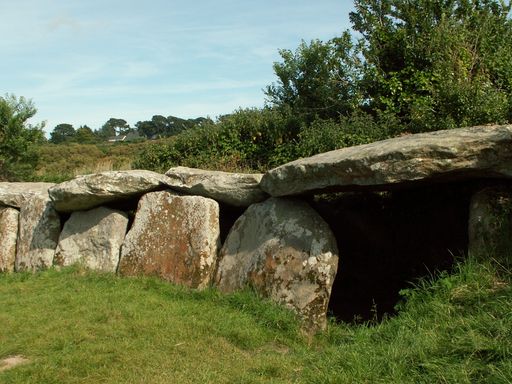

Kerguntuil
Trégastel
Dating from before 2,000 B.C., the megaliths of Kerguntuil are the impressive remnants of the structures built by Neolithic man. These immense monuments of assembled stones (the gallery grave is 9...  See
See
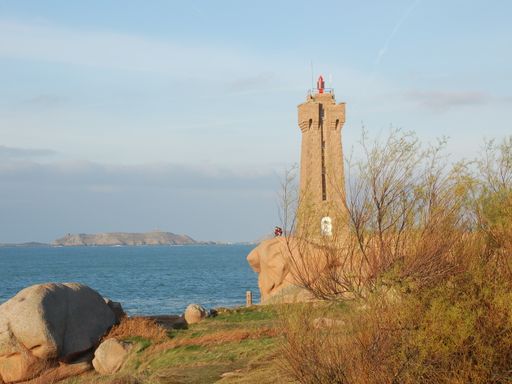

Ploumanac‘h lighthouse and rocks
Perros-Guirec
The pink granite lighthouse stands in the middle of the chaotic rock formations formed by the erosion of cooled magma then shaped by the rain, salty sea spray and wind. Its name, "phare de Mean Ruz",... See
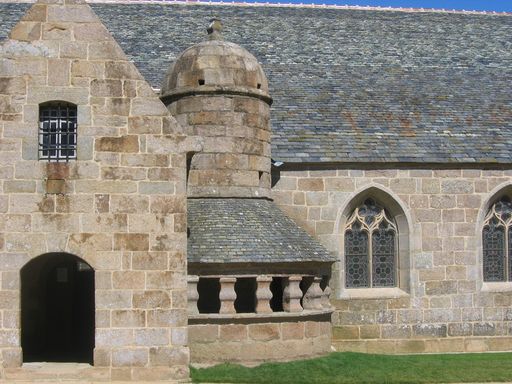

The Village
Trégastel
This church was built in several stages. The original building, dating back to between the twelfth and thirteenth centuries, was modified several times over the centuries. In the seventeenth century,... See
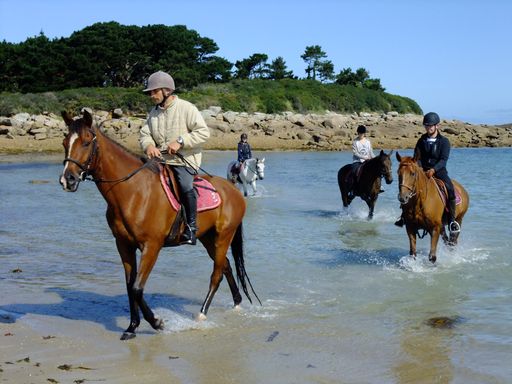
Bringwiller and Kerlavos Bay
Trégastel
There is evidence of very early human religious and economic activity in this area. Its name, Brenn Guiler, meaning "hill of the Roman village", bears testament to the presence of the Romans in... See